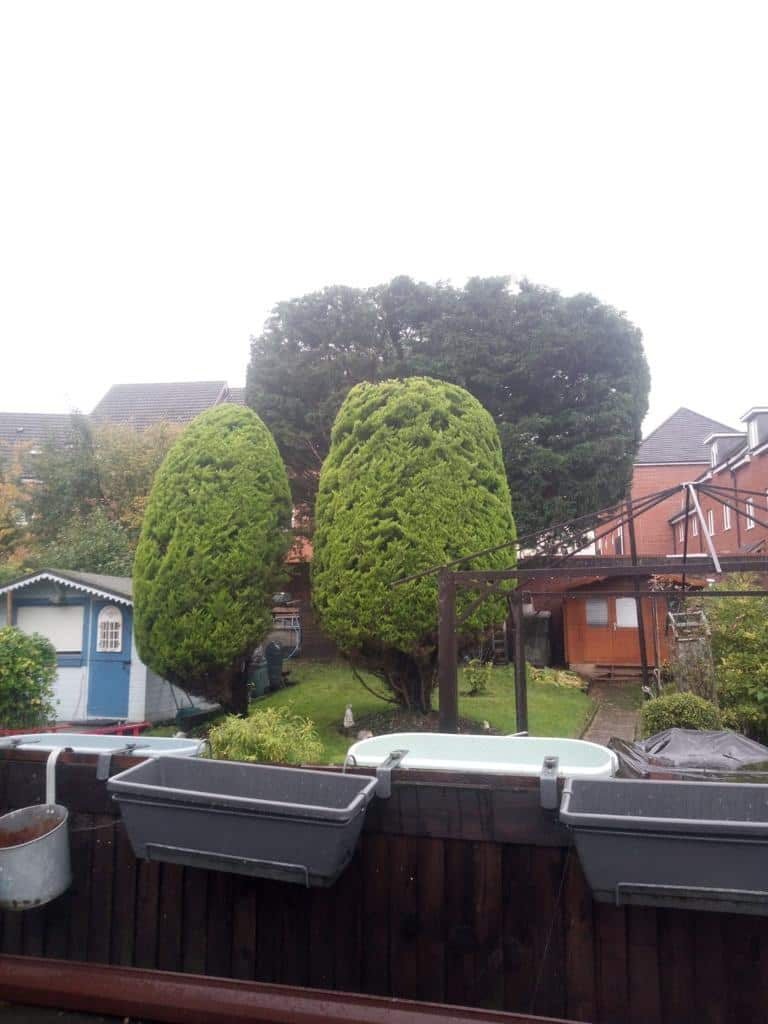
Trees can add character, privacy and natural structure to a garden, but they also require appropriate care to remain healthy and manageable. Branches may become overcrowded, damaged or too large for their surroundings, while changes within the trunk or canopy can sometimes indicate a more serious problem.
Professional tree surgery is not simply about cutting branches. It involves assessing the tree, identifying what work is needed and using suitable techniques to achieve a balanced result. For property owners in Saffron Walden, Essex, timely tree care can improve safety, support healthy growth and help trees fit more successfully within the garden.
Why Professional Tree Surgery Is Worth Considering
1. To Remove Damaged or Unsafe Branches
Dead, split or weakened branches can become unstable, particularly when exposed to strong winds and heavy rain. Their condition is not always obvious from ground level, and damage may be concealed where a branch joins the trunk.
A professional tree surgeon can inspect the canopy, identify vulnerable limbs and remove them in a controlled manner. This reduces the likelihood of branches falling across lawns, paths, driveways or other frequently used parts of the garden.
2. To Support the Tree’s Long-Term Health
Careful pruning can remove dead, diseased or crossing branches that place unnecessary strain on a tree. It can also improve airflow and allow more light to reach the inner canopy.
However, excessive or poorly positioned cuts may leave the tree stressed and vulnerable to future deterioration. Professional tree surgery considers the species, age, condition and natural growth pattern of the tree before work begins. The aim is to preserve healthy growth rather than simply reduce its size.
3. To Control Excessive Growth
A tree that was once well suited to its location may eventually become too large for the space around it. Its branches can begin extending over driveways, paths, roofs or neighbouring parts of the garden.
Depending on the situation, selective pruning or crown reduction may help control the tree without removing it. Crown reduction decreases the height or spread of the canopy while retaining a balanced shape. This work requires careful planning because indiscriminate cutting can encourage weak regrowth and leave the tree uneven.
4. To Improve the Shape and Balance of the Canopy
Trees can develop unbalanced crowns because of previous pruning, restricted growing space, storm damage or competition for light. A canopy that is much heavier on one side may place uneven stress on major branches or the trunk.
Professional reshaping can improve the distribution of growth while preserving the tree’s natural appearance. The work may involve removing selected branches, shortening overextended limbs and correcting congested areas. A balanced canopy can also help the tree respond more evenly to wind.
5. To Increase Light and Usable Garden Space
A dense or overgrown canopy can cast extensive shade across lawns, planting areas and seating spaces. It may also restrict access or make part of the garden feel enclosed.
Selective crown thinning, pruning or reduction can allow more light through without stripping the tree of its character. The appropriate method depends on how the tree is growing and which parts of the canopy are creating the problem.
Professional planning is important because removing too much foliage at once can affect the tree’s health and encourage undesirable regrowth. A measured approach provides a more natural and sustainable result.
6. To Ensure the Right Work Is Carried Out
Different tree problems require different solutions. A branch obstructing a driveway may need selective pruning, while an oversized canopy could require crown reduction. A severely damaged or declining tree may need a more detailed assessment before any work is recommended.
A professional tree surgeon can distinguish between routine maintenance and signs of structural or biological decline. This prevents unnecessary cutting and ensures that the proposed work addresses the actual problem.
The assessment may consider:
- Dead, damaged or crossing branches
- Cracks, cavities or decay within the tree
- Changes in the density or colour of the canopy
- Excessive growth around buildings and access routes
- The tree’s overall balance and structure
- Evidence of previous unsuitable pruning
This complete view of the tree helps produce a more appropriate and dependable result.
When Should You Arrange an Assessment?
It is sensible to seek professional advice when branches are dying, splitting or hanging unusually; when the canopy has become heavily unbalanced; or when growth is obstructing access and encroaching on important areas.
Other warning signs include sudden leaning, new cracks, sparse foliage, fungal growth around the trunk or repeated branch failure. Early assessment can often provide more options for managing the tree and prevent a developing concern from becoming harder to address.
Conclusion
Professional tree surgery can improve safety, encourage healthier growth, manage excessive size and restore a more balanced canopy. Most importantly, it ensures that the work is chosen according to the condition and requirements of the individual tree.
Saffron Walden Tree Surgeons provides professional tree care in Saffron Walden, Essex. If a tree in your garden has become damaged, overgrown or difficult to manage, contact our team to arrange an assessment and discuss the most suitable course of action.
Call us on: 01799 610 374
Click here to find out more about Saffron Walden Tree Surgeons
Click here to complete our contact form and see how we can help with your tree care needs.